Fixing The Vibes
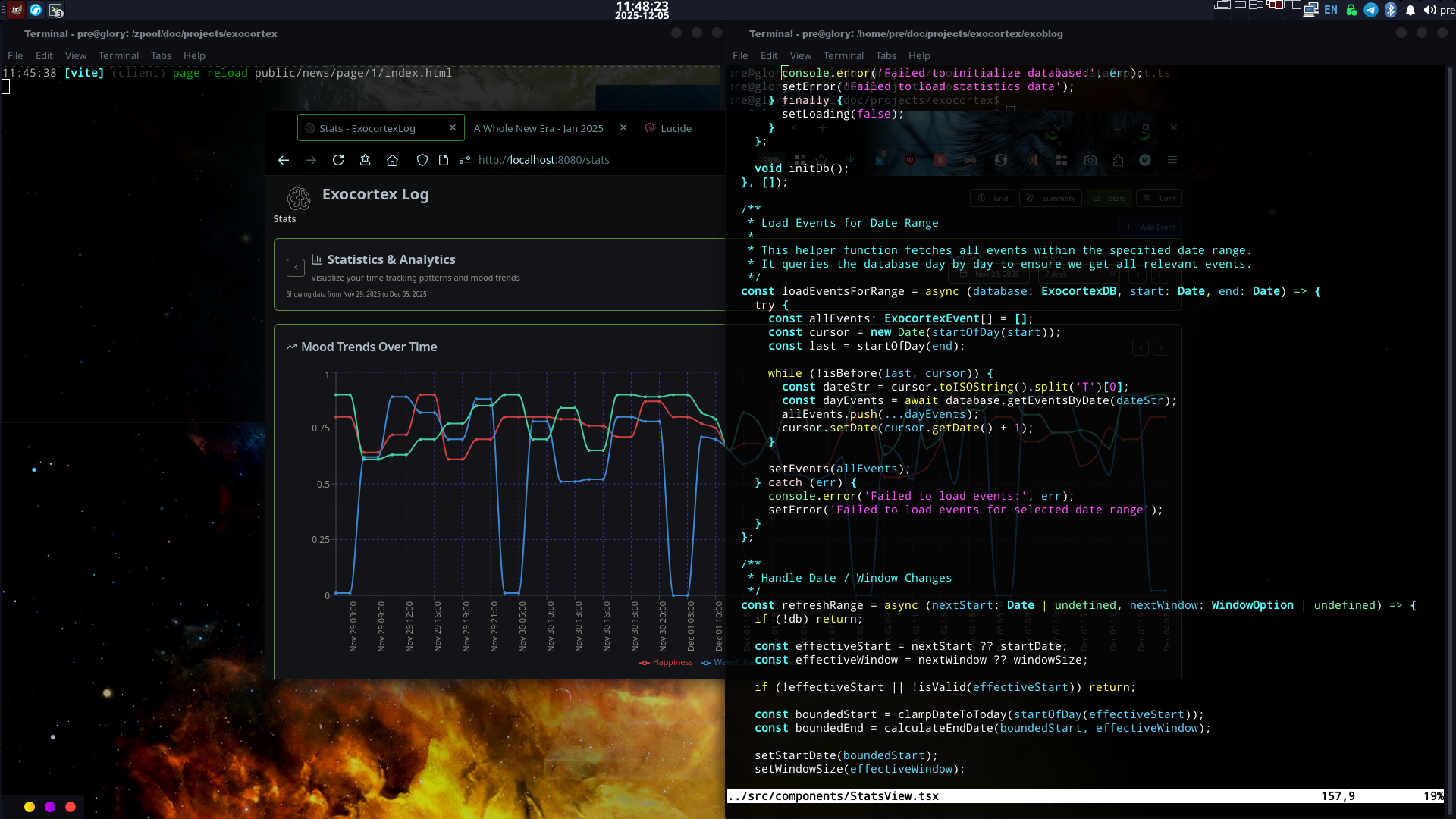
As the project code-base grows, the robot has more and more trouble making changes.
It becomes more likely to decide to replace an entire file with just a comment describing how the rest of the file should remain unchanged 😆.
Rollback.
It becomes more likely to introduce syntax errors, which seem to confuse it even more.
When there’s an issue with brackets or indentation becoming mucked up it requires lots of the code in a single context in order to spot the problem and of course context windows are limited in size.
Sometimes it changes functions that don’t need changing and introduces a bug in a system which worked before.
It can get into a loop trying to fix a problem, which introduces another problem, so it undoes the fix to address the new problem and tries again, apparently fixing it the same way to reintroduce the problem instead.
It started to require lots of credit to read in increasingly large amount of the growing code-base, and failing to fix things and introducing errors more and more.
So I look at the code myself, finally. And my god it is a mess.
Duplicates of functions all over the place, different methods used to create the tabs/pages for different functions. No common included header, just code pasted and edited on each.
I spend a whole twelve hour day fixing the thing.
This is a step non-devs would find tricky. I found it pretty difficult and exhausting myself. Keeping track of all the new files I was making and where functions were being moved to be more accessible to the rest of the code or more modular and enclosed.
I mean this isn’t uniquely a robot-written code thing. It’s very easy to just make small patches over and over and end up with a spaghetti mess that won’t fit into your head as a dev, so it’s not surprising that the robot can also make small patches over and over and end up with a disorganized spaghetti mess that won’t fit into it’s context-window.
Eventually it’s cleaned up and organized well enough that both me and the robot can keep the whole in mind better and make more correct assumptions about how everything works as they do so.
The robot is back to being able to edit the code as smoothly as when it started with a blank template.
ChatGPT 4.1 is definitely quite crap. Way worse than the default Shakespeare model. It just breaks everything more likely than fixing things.
GPT 5.1 is much better, much less likely to just replace a file with a comment saying to keep it the same.
The Shakespeare default model seems fine though usually. So long as you’re keeping track of the code as well as the UI, making sure it’s not duplicating functions, explicitly telling to use existing functions, giving it directions on how to organize the code as well as the changes to the UI to make.